
Memorizing the Qur’an is a noble and rewarding endeavor, and starting at a young age can help children establish a lifelong connection with the holy book. For parents and teachers, it is important to make this process as engaging and effective as possible.
In this article, we will explore the best ways to memorize the Qur’an for children, providing practical strategies that can make this journey easier and more enjoyable.
The Importance of Memorizing the Qur’an for Children
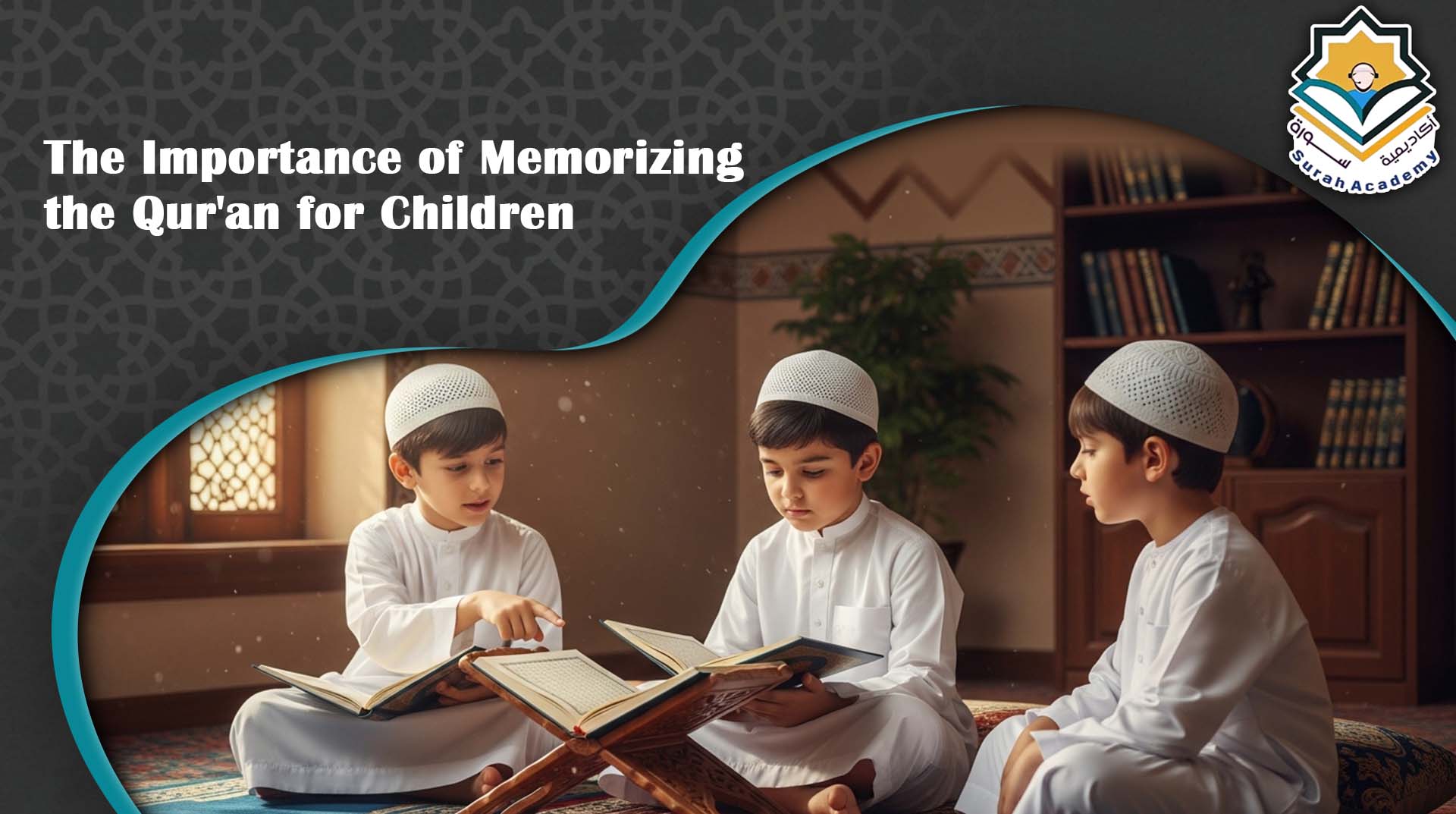
Memorizing the Quran offers numerous benefits for children, both spiritually and academically. Not only does it strengthen their connection with Islam, but it also develops their memory, discipline, and cognitive skills. The best ways to memorize the Qur’an for children are those that align with their developmental stage and learning preferences.
Memorization of the Qur’an nurtures a child’s ability to focus, learn perseverance, and enhance their understanding of Islamic teachings. Moreover, it helps them become better at other subjects, as memorizing the Qur’an involves attention to detail and repetition—skills that transfer well to academic success.
This is why discovering the best ways to memorize the Qur’an for children is crucial for any parent or teacher aiming to guide young learners.
Start Your Child’s Quran Memorization Journey With Expert Guidance
Give your child the gift of a strong and lasting connection with the Qur’an through structured, engaging, and supportive learning. Surah Academy offers professionally designed online Qur’an memorization programs tailored specifically for children of all levels.
With qualified teachers, interactive one-to-one sessions, and flexible schedules, your child can learn in a comfortable and motivating environment from home. Each lesson focuses on proper recitation, Tajweed accuracy, and consistent revision to ensure long-term retention.
Join a trusted academy that prioritizes both spiritual growth and educational excellence. Enroll today and help your child build confidence, discipline, and a lifelong love for the Qur’an.

Consistency and Routine: The Foundation of Memorization
Establishing a consistent routine is essential when it comes to memorizing the Qur’an, especially for children. Children perform best in structured environments where they know what to expect.
By creating a daily routine that prioritizes Qur’an memorization, parents can help their children make steady progress while building lifelong habits of discipline and focus. Here’s how parents can establish a supportive routine, including the use of Quran Memorization Online tools to enhance the learning process.
1. Start with Small Portions
One of the most effective ways to begin memorizing the Qur’an is by breaking it down into smaller, manageable portions. Instead of overwhelming the child with large chapters or long Surahs, parents can start with shorter and easier Surahs.
These initial, smaller steps provide a sense of accomplishment, which boosts motivation and confidence. As children become more familiar with the memorization process, they can gradually tackle longer Surahs. This incremental approach allows children to progress steadily while maintaining focus. These small portions are crucial for building a strong foundation and making the process feel less daunting.
Memorizing small portions also allows children to recite and review often, which strengthens retention. The goal is not just to memorize but also to ensure the verses are well-embedded in their memory. Starting with small portions is, therefore, one of the most effective ways to help children progress without feeling overwhelmed.
2. Establish a Daily Routine
Consistency is the cornerstone of memorization. To create a solid routine, parents should allocate a specific time each day for Qur’an memorization. This could be right after Fajr prayers, before school, or even in the evening before bedtime.
Having a set time allows the child to develop a sense of discipline, helping them understand that memorization is a priority. By sticking to this daily routine, memorization becomes an integral part of their day, and over time, it becomes a habit they can depend on.
A daily routine creates structure, which is essential for retention. When children memorize every day, their brain is continuously engaged, making it easier to recall verses and integrate them into their long-term memory.
For many children, setting aside time before or after prayer sessions is effective because they are already in a focused mindset. The habit of daily memorization can also be supplemented with regular reviews to ensure the verses are properly committed to memory.
3. Incorporating Online Quran Memorization Tools
In today’s digital age, there are numerous online platforms and apps available that can support Qur’an memorization for children. Many of these tools provide interactive features that can enhance the memorization process, offering audio recitations, quizzes, and progress tracking.
Platforms such as Quranic or iQuran can be integrated into the child’s routine to provide additional learning opportunities, especially when it’s hard to find in-person classes or group studies.
Online Qur’an memorization tools can also provide a flexible learning environment. With apps and websites, children can memorize the Qur’an at their own pace while also engaging with multimedia resources.
Some platforms offer live sessions, where children can join virtual classes and recite with others, adding a social element to the routine. Parents can set specific goals on these platforms, ensuring that their child’s memorization process is both structured and engaging.
4. Rewarding Progress and Encouragement
While building a routine is vital, recognizing progress along the way is equally important. Setting small milestones and rewarding achievements can help keep children motivated.
Praise, encouragement, or even small rewards for completing a set portion of the Qur’an or reaching a memorization goal can make the process more enjoyable. This positive reinforcement helps children stay focused and energized throughout their learning journey.
Incorporating consistency and routine is one of the most effective strategies for memorizing the Qur’an, especially for children. By starting with small portions, establishing a daily routine, and utilizing online tools, parents can help their children make steady progress in their memorization.
Building a structured, consistent approach not only enhances memorization but also helps children develop discipline and focus—skills that will benefit them in many areas of life.
Engaging Methods to Make Memorization Fun
Writing down verses or Surahs on these cards and pairing them with images or symbols that relate to the meanings of the verses can make the memorization process more interactive and enjoyable. Additionally, incorporating songs or rhymes is another fantastic method. Children tend to respond well to rhythmic tunes, and turning specific Surahs into catchy songs or rhymes can help them retain the verses more easily
Using technology to help memorize the Holy Quran
In today’s digital age, there are various technological tools available that can make memorizing the Qur’an more accessible and efficient. Some of the best ways to memorize the Qur’an for children involve using technology to enhance their learning experience:
1. Qur’an Apps
2. Audio and Video Resources
Audio resources such as Qur’an recitations can be a helpful way to reinforce memorization. Listening to a particular Surah multiple times can assist with the retention of verses.
Additionally, videos with animated Qur’an recitations can help children associate the words with visual cues, making the memorization process even easier. Digital resources are quickly becoming some of the best ways to memorize the Qur’an for children who are more attuned to technology.
How to Memorize and Learn via Social Media?

Learning the Qur’an through social media can be an innovative and effective approach, especially in today’s digital age. Social media platforms provide an excellent space for learning, connecting with others, and accessing resources that may not be available offline.
For children, social media offers interactive ways to engage with their studies while keeping them motivated. Below are a few effective strategies to help memorize and learn the Qur’an using social media:
1. Memorizing with Friends or Siblings
One of the best ways to memorize the Qur’an is by involving friends or siblings in the process. Social media platforms such as WhatsApp, Facebook, or even Instagram allow children to create study groups where they can exchange ideas, challenge each other, and celebrate achievements together.
This group dynamic fosters accountability and a sense of community, making the memorization process more enjoyable and effective. For example, children can share progress updates, challenge each other with quizzes, or even recite verses in group calls. This social interaction enhances the learning experience, making it not just about memorizing verses but about building relationships around learning.
2. Enroll in a Qur’an Memorization Program
Many online platforms and Islamic centers offer Qur’an memorization programs that cater specifically to children. These programs often incorporate social media as a tool for keeping students engaged. For instance, some online courses use platforms like Zoom, Skype, or even Facebook Live for group lessons and recitations.
These interactive sessions can include memorization competitions, group recitations, and rewarding systems that motivate children to stay committed to their learning goals.
Programs such as Surah Academy have dedicated online courses where children can study the Qur’an in a structured manner, track their progress, and interact with teachers and peers. The use of social media features like live video and group chats helps children stay connected to their learning community and provides real-time feedback, which is vital for their memorization journey.
3. Interactive Qur’an Learning on YouTube or Instagram
Platforms like YouTube or Instagram can also be valuable tools for children learning the Qur’an. Many Qur’an teachers and institutions post daily or weekly recitations, explanations of verses, and tips on memorization techniques.
Children can follow these accounts, watch videos, and even participate in live Q&A sessions to clarify any doubts. For example, Instagram stories or YouTube channels dedicated to Qur’anic teachings can make learning more interactive and visually engaging. Some teachers even conduct live Qur’an recitations and discussions, allowing children to join in and learn in real-time.
4. Qur’an Memorization Challenges and Hashtags
Another fun and motivating way to memorize the Qur’an via social media is by participating in Qur’an memorization challenges. Many Islamic social media influencers or organizations create campaigns using hashtags like #MemorizeQuran or #QuranChallenge.
Children can track their progress and share their achievements using these hashtags, thus creating a supportive network of learners. By sharing their recitations or memorization milestones, they not only gain encouragement from their peers but also inspire others to stay committed to their goals.
Incorporating social media into Qur’an memorization can enhance the learning experience by adding interactivity, community support, and access to valuable resources.
Whether through group study, online courses, or engaging in memorization challenges, social media serves as a powerful tool for children to stay motivated and committed to their memorization goals. With the right guidance and structure, social media can be an excellent platform for learning and memorizing the Qur’an in a fun and engaging way.
Frequently Asked Questions About The Best Ways to Memorize the Qur’an for Children
Many parents and educators have common questions about helping children memorize the Qur’an effectively and in a way that supports long-term retention. Below are some of the most frequently asked questions with clear and practical answers:
What is the best age for children to start memorizing the Qur’an?
Children can begin memorizing the Qur’an at an early age, often between 4 and 6 years old, as long as the method matches their mental and emotional development. Starting early helps build familiarity with Quranic recitation and creates a strong foundation without pressure.
How much Qur’an should a child memorize each day?
The ideal amount depends on the child’s age and ability, but small portions are best. Memorizing one or two verses daily is often more effective than larger portions, as consistency and repetition play a greater role than quantity.
How can parents help children retain what they memorize?
Retention improves through regular revision, listening to correct recitation, and repeating verses during daily prayers. Parents can also schedule weekly review sessions to strengthen long-term memorization and reduce forgetting.
Are online Qur’an memorization programs effective for children?
Yes, online Qur’an memorization programs can be very effective when they are well-structured and led by qualified teachers. Interactive sessions, regular feedback, and personalized pacing help children stay engaged and motivated.
How can memorizing the Qur’an be made enjoyable for children?
Using engaging methods such as visual aids, audio repetition, Quran apps, games, and positive rewards makes memorization more enjoyable. Encouragement and praise also help children develop a positive emotional connection with learning the Qur’an.
What role do parents play in a child’s Qur’an memorization journey?
Parents play a crucial role by providing encouragement, maintaining a consistent routine, and creating a supportive learning environment. Active parental involvement greatly increases a child’s confidence, commitment, and success in memorizing the Qur’an.
In conclusion, the best ways to memorize the Qur’an for children are those that combine consistency, creativity, and support from parents, teachers, and the broader community. By integrating these methods into a child’s routine, memorization becomes not just a task but a rewarding and enjoyable journey.
For families looking for structured guidance in Qur’an memorization, consider exploring programs like Surah Academy, which offers tailored online courses to support children in their memorization efforts.