
Learn Quran Basics is the first and most important step for anyone who wants to build a strong foundation in Quranic studies. At Surah Academy, we provide structured guidance, resources, and expert teachers to help beginners start their journey with confidence.
Whether you are learning to read the Quran correctly, memorize short Surahs, or understand its meanings, our programs are designed to make the process smooth, effective, and spiritually rewarding.
With the right approach, consistent practice, and proper support, beginners can gradually develop strong recitation skills, deepen their understanding, and integrate the teachings of the Quran into daily life.
The Importance of Learning the Quran
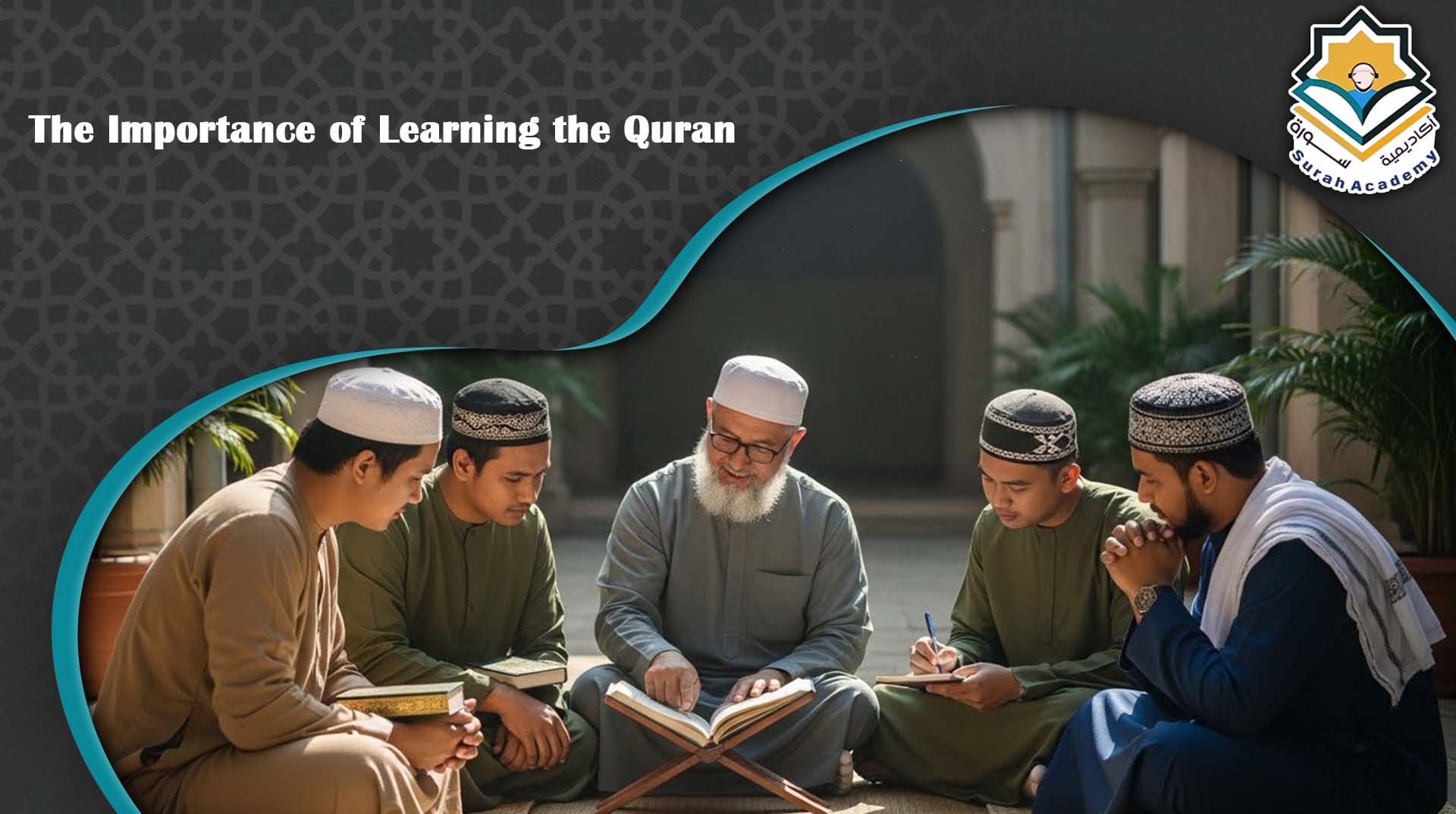
Before starting your journey, it is essential to have the right intention. Why do we learn the Quran? It is not merely about reciting words. The Quran is the word of Allah and a guide for our lives. It teaches us how to be righteous Muslims and live a life that pleases Allah.
Allah says:
“A blessed Book We have revealed to you, so that they may reflect upon its verses and those of understanding may take heed.” (Surah Sad 29)
Learning the Quran brings blessings into your life, Insha’Allah. For beginners, it is crucial to start with the right mindset. Purify your heart and intentions. Do you want to learn the Quran to show off? No. The purpose should always be to seek Allah’s pleasure. This is the most important point.
To begin, you should sincerely pray and ask Allah to make learning easy. For example, you can say:
“O Allah, I want to learn Your Book to come closer to You. Please make it easy for me.”
One practical step for beginners is to learn Quran basics gradually. Start with simple verses and their meanings. Understand the context and wisdom behind the words. Repetition and reflection are key to internalizing the teachings.
Consistently striving to learn Quran basics strengthens your faith and connects your heart with Allah. Even a few minutes daily can make a significant difference.
Remember, the goal is not just memorization but comprehension. Take time to reflect, ponder, and apply what you learn. By focusing on learn Quran basics, you build a strong foundation for lifelong knowledge. Beginners should remain patient, make dua, and trust that Allah will guide their steps.
With determination and sincerity, anyone can learn Quran basics and experience the blessings it brings. Start today and make your journey meaningful.
Start Your Journey to Quran Mastery with Surah Academy Today
At Surah Academy, we empower you to learn the Quran with confidence through a structured, professional, and inspiring approach. Now is the perfect time to take the first step toward accurate recitation and deeper understanding of the Holy Quran.
With highly qualified teachers, flexible learning schedules, and personalized programs for all ages and levels, you’ll experience real progress in a supportive environment. Join Surah Academy today and invest your time in knowledge that lasts a lifetime.
Enroll now, assess your level, and begin your Quran learning journey with a clear plan, continuous guidance, and dedicated support that helps you grow with confidence at every stage.

How to Learn Quran for Beginners
Starting your journey to learn Quran basics begins with choosing the right Quran. For beginners, it is essential to select a Mushaf with clear Arabic script, such as the Uthmani style, which makes reading easier and more accurate.
A translation in your language can help understand the meanings, but always remember that the essence of the Quran is in its original Arabic. A Mushaf with colored Tajweed marks is also highly beneficial, as it visually highlights pronunciation rules, making it easier for beginners to recite correctly.
After selecting your Quran, continue your journey with the Noorani Qaida. This tool helps you master Arabic letters, pronunciation, and reading fluency. Once you are comfortable with letters and sounds, study basic Tajweed rules under the guidance of a qualified teacher with an Ijazah. This ensures your recitation is accurate, authentic, and in line with traditional teachings.
Begin with short Surahs from Juz Amma, using memorization techniques such as repetition, writing, and linking verses to daily life. Understanding the Quran is just as important as memorization, so take time to read translations, tafsir, and scholarly explanations. This step is a critical part of learn Quran basics, as it connects recitation with comprehension.
Incorporate Quran learning into your daily routine by dedicating a fixed time for study and review. Consistency, patience, and sincere intention are key. Make dua to Allah to ease your learning and illuminate your path. By following these steps, beginners can steadily progress and successfully learn Quran basics, gradually building both knowledge and a deep spiritual connection with Allah.
Choosing a Quran Carefully
Selecting the right Quran is one of the most important first steps for anyone beginning their journey to learn Quran basics. A properly chosen Mushaf can make reading, understanding, and memorization much easier and more effective.
- Clear Arabic Script: Choose a Quran with a clear and legible Arabic script, such as the Uthmani style. This style is widely used and helps beginners recognize letters and words accurately. A clear script reduces mistakes while reading and makes memorization smoother.
- Translation for Understanding: While the Quran is in Arabic, having a translation in your language is very helpful. Understanding the meanings of verses allows beginners to connect with the text and appreciate its guidance. It also reinforces memorization, as comprehension makes the learning process more meaningful.
- Colored Tajweed Marks: Many Qurans include colored Tajweed marks, which visually highlight the rules of proper pronunciation. This feature is especially useful for beginners who are learning to read correctly, as it provides immediate visual cues to guide recitation.
- Tip: Do not rely solely on digital Qurans or apps. While they are convenient, physically touching a printed Mushaf carries a special blessing. Handling the Quran with care encourages respect and reverence, which strengthens your spiritual connection.
By carefully choosing a Quran that meets these criteria, beginners can build a strong foundation to learn Quran basics effectively. A clear script, translation, Tajweed guidance, and physical interaction with the Mushaf together support proper reading, comprehension, and memorization, setting the stage for a lifelong journey with the Quran.
Starting with Noorani Qaida
For beginners who want to learn Quran basics, starting with the Noorani Qaida is a crucial step. The Noorani Qaida is designed to teach the Arabic letters and their variations in a simple and structured way. It also introduces the short vowel marks—Fatha, Damma, and Kasra—which are essential for proper pronunciation. Mastering these basics ensures that beginners can read the Quran correctly and confidently.
Using the Noorani Qaida allows students to understand how letters connect and how pronunciation changes depending on their placement in a word. This step is vital because reading the Quran accurately requires knowing both the letters and the correct vocalization. Without this foundation, moving on to full Surah recitation or learning Tajweed rules can be challenging.
Beginners should practice consistently with the Noorani Qaida, repeating letters, syllables, and words until they become comfortable. Combining visual guidance with vocal practice helps reinforce learning and develops fluency. Parents or teachers can assist by correcting mistakes and providing tips for proper pronunciation.
Once comfortable with the letters and vowel marks, learners can transition to studying basic Tajweed rules under a qualified teacher. This structured progression—from Noorani Qaida to Tajweed to full Surah reading—forms the core of learn Quran basics for beginners.
Daily practice, patience, and sincere intention are essential. By starting with the Noorani Qaida and following a systematic approach, beginners can build a strong foundation, read accurately, and gradually progress toward understanding and memorizing the Quran while enjoying the spiritual rewards of learn Quran basics.
Seeking to Understand the Meaning of the Quran
For beginners aiming to learn Quran basics, understanding the meanings of the verses is as important as memorization and correct recitation. There are several effective ways to deepen comprehension:
- Reading the Translation: Start by reading a trusted translation in your language to grasp the meanings of the verses. This provides context and helps connect recitation with understanding.
- Studying Tafsir: Consult classical or modern Tafsir (exegesis) books such as Tafsir Ibn Kathir or Tafsir al-Jalalayn. Tafsir explains the historical context, linguistic nuances, and lessons behind each verse, making the Quran more accessible.
- Listening to Lectures and Explanations: Listening to scholars or reputable online lectures can help clarify complex verses and provide practical examples for understanding the Quranic message.
- Asking a Teacher: Don’t hesitate to ask a qualified Quran teacher to explain meanings and contexts. Teachers can guide learners in understanding the subtleties of the text and answer specific questions, which is a vital part of learn Quran basics.
Combining these methods ensures that beginners not only recite the Quran correctly but also comprehend its teachings. Reflecting on meanings strengthens memorization and helps connect spiritual practice with real-life application. By consistently seeking understanding, learners build a deeper relationship with the Quran while reinforcing their foundation in learn Quran basics.
Learning Basic Tajweed Rules
After completing the Noorani Qaida, the next essential step in learn Quran basics is to focus on basic Tajweed rules. Tajweed is the set of rules that governs correct pronunciation, rhythm, and intonation in Quranic recitation, ensuring that every letter, sound, and word is recited as it should be. Proper Tajweed is crucial for both accuracy and the melodious flow of the Quran.
Beginners should start with the fundamental rules, including Nun Sakinah and Tanween, Qalqalah (echoing sounds), and Madd (elongated vowels). Mastering these rules provides a solid foundation for accurate recitation and prevents common mistakes that can occur when reading without guidance.
An effective method to learn Tajweed is by listening to well-known reciters and carefully imitating their recitation. This helps learners internalize the correct sounds, pauses, and elongations. Repetition, focused observation, and regular practice allow beginners to gradually apply Tajweed rules correctly in their own reading.
Start practicing these rules with short Surahs from Juz Amma before moving on to longer chapters. Consistency, patience, and focus are key to mastering each rule. Guidance from a qualified teacher or trusted online resources can provide valuable feedback and clarify difficult rules, making learning more precise and structured.
Regular practice of Tajweed not only improves recitation but also deepens understanding of the Quranic text. It links memorization with correct pronunciation, enhancing both fluency and comprehension.
This stage is an important part of learn Quran basics, as it ensures that the Quran is recited accurately and beautifully. By dedicating daily time to Tajweed practice, beginners can confidently progress, develop proper reading habits, and experience the spiritual rewards of reciting the Quran correctly, gradually building a strong foundation for lifelong Quran learning.
Finding a Qualified Quran Teacher
An essential step in the journey to learn Quran basics is finding a qualified Quran teacher. A teacher with proper credentials, especially one who holds an Ijazah, can ensure that you learn authentic Quranic recitation. The Ijazah is a certification given to teachers who have mastered the rules of Tajweed and Quranic recitation, guaranteeing that their teaching follows traditional and correct methods.
A qualified teacher can guide you through proper Tajweed, help correct pronunciation mistakes, and provide structured lessons tailored to your level. They can also teach you memorization techniques, explain the meanings of verses, and ensure that your recitation is both accurate and melodious. Personalized feedback from a teacher is invaluable, as it addresses individual challenges and accelerates your learning.
You can find a certified teacher at your local mosque, Islamic centers, or through recognized educational institutes. In recent years, online platforms have also made it easier to connect with qualified teachers worldwide. Whether in-person or online, learning under a certified teacher ensures that your Quranic recitation is authentic, accurate, and rooted in traditional practices.
A good teacher also helps beginners understand the application of Tajweed rules in daily recitation, the proper pronunciation of letters, and the correct way to pause and elongate sounds. This guidance is critical because learning the Quran without proper instruction can lead to mistakes that are hard to correct later.
Finding a qualified teacher is therefore a cornerstone in the journey to learn Quran basics. With consistent lessons, guidance, and sincere intention, beginners can develop correct reading habits, gradually memorize verses, and gain a deeper spiritual connection to the Quran. This step ensures that your foundation in Quranic studies is solid, allowing you to progress confidently and correctly in your lifelong journey of Quran learning.
Starting with Juz Amma
For beginners who want to learn Quran basics, it is highly recommended to start with Juz Amma, the 30th part of the Quran. This section contains short, easy-to-memorize Surahs, making it ideal for building confidence and establishing a regular Quran learning routine. Examples of Surahs in Juz Amma include Al-Ikhlas, Al-Falaq, and An-Nas, which are not only short but also rich in meaning and guidance.
Starting with Juz Amma allows learners to practice correct pronunciation, apply the basic Tajweed rules they have learned, and gradually develop their memorization skills. Because the Surahs are short, beginners can focus on reading accurately, understanding the meanings, and reinforcing their recitation habits without feeling overwhelmed.
Daily practice of these Surahs helps establish consistency, which is essential for effective Quran learning. Repetition, reflection on the meanings, and applying Tajweed rules while reciting will strengthen both memorization and understanding. Beginners can also write down the verses, listen to recitations by skilled Qaris, and try to imitate them to improve fluency and accuracy.
Once comfortable with Juz Amma, learners can gradually move on to longer Surahs while maintaining proper pronunciation, Tajweed, and comprehension. This structured approach is a vital part of learn Quran basics, as it builds a solid foundation for future Quranic studies.
Incorporating Juz Amma into a daily routine encourages discipline, patience, and spiritual connection with the Quran. By starting with these short chapters and practicing consistently, beginners can confidently progress, develop proper recitation habits, and enjoy the spiritual rewards of correctly reading and memorizing the Quran, forming a strong foundation for lifelong Quran learning.
Mastering Quran Memorization Techniques
For beginners who want to learn Quran basics, developing effective memorization techniques is essential. Memorizing the Quran requires patience, consistency, and the use of methods that reinforce both reading and understanding. There are several proven techniques that can help beginners retain verses more effectively.
- Repetition (Mental Repetition): One of the most important techniques is repetition. This involves reading or reciting a verse multiple times until it is firmly memorized. Repetition helps reinforce the sounds, letters, and words in the memory. By practicing this daily, beginners gradually internalize the verses and can recall them more easily.
- Writing: Writing the verses repeatedly is another powerful method for memorization. Writing helps solidify the letters, words, and spelling in the learner’s mind. When beginners combine writing with recitation, it strengthens both visual and auditory memory, making it easier to memorize long passages over time.
- Connecting Verses (Linking Verses): Linking the end of one verse to the beginning of the next is a useful technique to improve continuity in memorization. This method helps learners see the flow and sequence of the Quranic text, making it easier to remember longer passages. Beginners can apply this technique while reciting short Surahs from Juz Amma and gradually extend it to longer chapters.
Using these techniques consistently is a key part of learn Quran basics. Daily practice, patience, and focus enhance both memorization and understanding. Combining repetition, writing, and linking verses creates a multi-sensory approach that strengthens memory and improves recitation.
By following these memorization strategies, beginners can confidently progress in their Quran learning journey. They will be able to memorize verses accurately, recite them with proper Tajweed, and build a strong foundation for future Quranic studies, ensuring a successful and spiritually rewarding experience in learn Quran basics.
Making the Quran Part of Your Daily Life

For beginners who want to learn Quran basics, incorporating the Quran into your daily routine is essential. Consistent practice strengthens memorization, understanding, and spiritual connection. Here are practical tips to make Quran a regular part of your life:
- Start Small: Begin with one or two verses daily. Focusing on a small portion makes learning manageable and helps maintain consistency without feeling overwhelmed.
- Set a Fixed Time: Choose a specific time each day for Quran reading and memorization, such as after Fajr prayer. A regular schedule creates discipline and ensures daily progress in learn Quran basics.
- Make a Realistic Routine: Plan a schedule that fits your lifestyle and ability. Avoid overloading yourself; consistency matters more than long but irregular sessions.
- Regular Revision: Review previously learned verses regularly to reinforce memorization and retention. Revisiting old verses strengthens your memory and helps integrate the Quran naturally into daily life.
By following these steps, beginners can gradually build a strong habit of Quran reading, recitation, and memorization. Integrating Quran into daily life not only improves your skills but also deepens your understanding, reflection, and spiritual connection.
Making the Quran part of your routine is a key aspect of learn Quran basics, as it combines recitation, memorization, comprehension, and reflection, ensuring steady and meaningful progress. Over time, this daily practice will help beginners confidently advance in their Quranic journey while enjoying the spiritual benefits and lifelong guidance of the Quran.
Frequently Asked Questions about Learn Quran Basics
Here are the most common questions beginners ask when they start their journey to learn Quran basics.These FAQs provide guidance on recitation, Tajweed, memorization, and understanding for effective learning.
1. What is the best way to start learning the Quran for beginners?
The best way is to begin with a clear Mushaf, preferably in Uthmani script, and start learning Arabic letters using Noorani Qaida. This builds a strong foundation for correct recitation and Tajweed.
2. Do I need a teacher to learn Quran basics?
Yes, having a qualified teacher with an Ijazah is highly recommended. A teacher guides proper pronunciation, corrects mistakes, and provides structured lessons that ensure authentic learning.
3. How can I memorize the Quran effectively?
Use techniques like repetition, writing verses, and linking verses together. Start with short Surahs from Juz Amma and review them regularly. Daily consistent practice is key.
4. Should I understand the meanings of the Quran while learning?
Absolutely. Reading translations, studying Tafsir (like Ibn Kathir or Al-Jalalayn), listening to lectures, and asking a teacher for clarification enhances comprehension and deepens your connection with the Quran.
5. How much time should I dedicate daily?
Start small, with one or two verses per day, and gradually increase. Consistency matters more than long but irregular sessions. Setting a fixed time, such as after Fajr prayer, helps establish a routine.
6. Can I learn Quran basics online?
Yes, online courses and lessons from reputable academies, such as Surah Academy, allow beginners to learn Tajweed, memorization, and understanding of the Quran with qualified teachers from anywhere.
7. How long does it take to learn Quran basics?
The duration varies depending on your pace, consistency, and practice. Regular daily learning, combined with Tajweed and understanding, ensures steady progress and builds a lifelong foundation.
n conclusion, learn Quran basics is a journey that combines proper recitation, Tajweed, memorization, and understanding. By following structured steps—choosing the right Mushaf, starting with Noorani Qaida, learning basic Tajweed rules.
beginning with Juz Amma, finding a qualified teacher, applying effective memorization techniques, seeking the meanings, and incorporating the Quran into daily life—beginners can steadily build a strong foundation.
At Surah Academy, we emphasize consistency, patience, and sincere intention, guiding learners every step of the way. With dedication and daily practice, anyone can confidently progress, develop correct recitation habits, deepen their spiritual connection, and experience the lifelong benefits of the Quran.
read also:
how to learn quran for beginners with easy steps guide 2026
Best way to learn Quran: Effective Methods for Everyone 2026
Best online quran classes for kids: Top Learning Options 2026