
Learn Arabic Online Arabic is a language of immense cultural, religious, and historical significance. Whether you’re aiming to understand the Quran, communicate with Arabic speakers, or delve into the Arab world’s rich literary traditions, mastering Arabic opens numerous doors.
Online Quran Academy Surah offers a unique opportunity for learners to explore Arabic through a structured, interactive platform. Focusing on Quranic Arabic, the academy provides tailored lessons for all levels, ensuring a deep understanding of both the language and its context.
With expert instructors and engaging resources, Online Quran Academy Surah makes learning Arabic accessible and effective for everyone.
Why Learn Arabic?
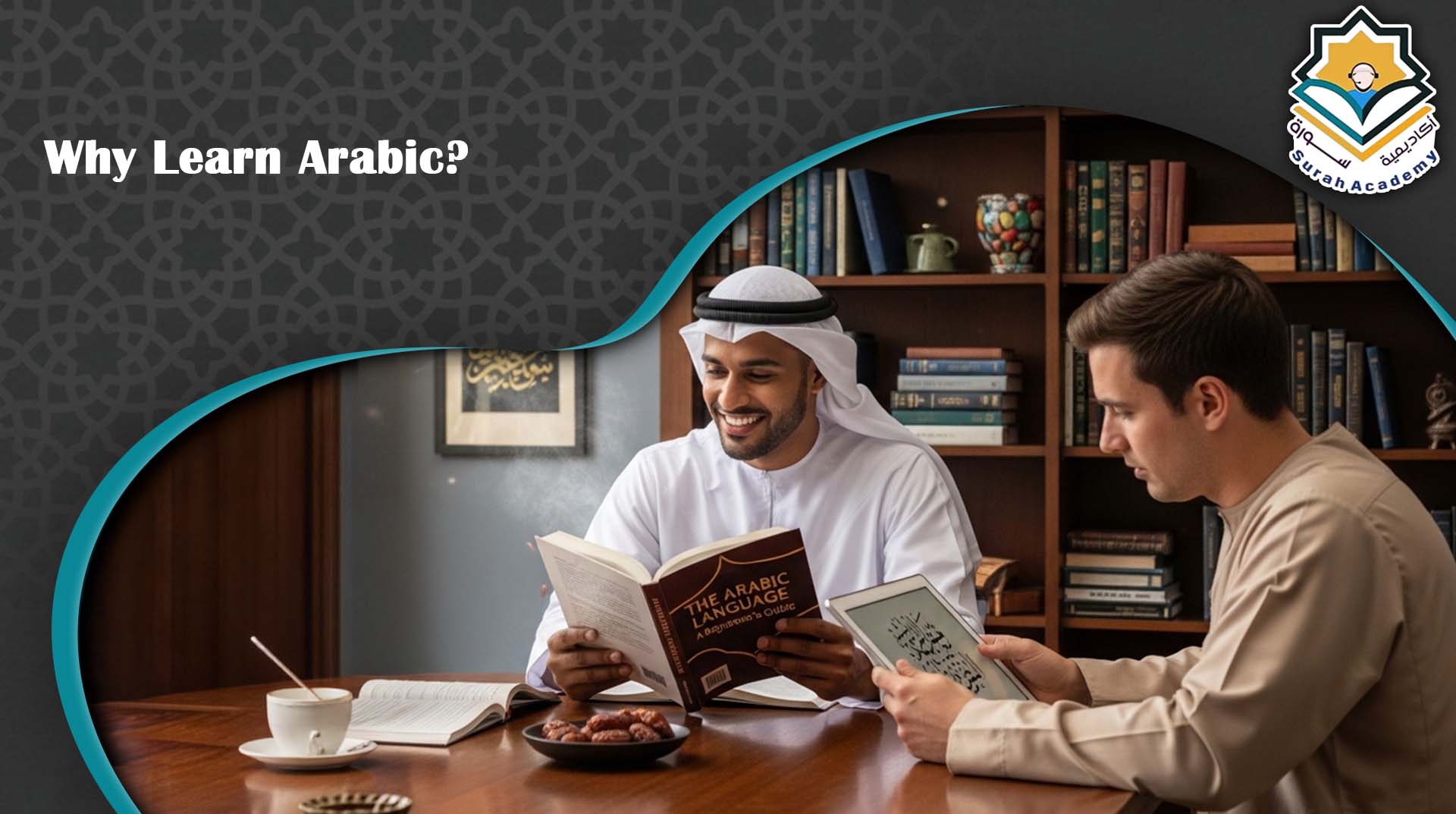
Arabic is a language of significant cultural, religious, and historical importance. Spoken by over 400 million people across 22 countries, it is the official language of many nations in the Middle East and North Africa. Learning Arabic can open doors to various opportunities, both personally and professionally. Here’s why it’s worth learning:
1. Religious Significance
For Muslims, Arabic is the language of the Quran, the central religious text of Islam. Many Muslims seek to learn Arabic to deepen their understanding of the Quran, ensuring they can read and interpret its teachings in their original form. Studying Arabic allows for a more profound connection to their faith, as translations of the Quran may not capture its full depth and meaning.
2. Cultural Heritage
Arabic serves as a gateway to a rich cultural heritage. The Arab world has a long literary tradition, including classical poetry, historical works, and intellectual achievements. From the writings of famous philosophers like Ibn Sina to the poetry of Rumi, Arabic provides access to a treasure trove of works that shaped global knowledge and culture.
3. Business and Professional Opportunities
Arabic is increasingly valuable in global business and diplomacy. Companies operating in the Middle East, particularly in sectors like energy, finance, and trade, require Arabic-speaking professionals. For diplomats, journalists, and academics, Arabic proficiency can strengthen relationships and enhance career prospects.
4. Scientific Contributions
Arabic played a central role during the Islamic Golden Age, when groundbreaking advancements were made in science, mathematics, medicine, and philosophy. Learning Arabic gives access to these original texts and the contributions of Arabic-speaking scholars that continue to influence modern science.
In summary, learning Arabic offers both personal enrichment and valuable professional opportunities, making it a worthwhile pursuit.
Online Quran Academy
Online Quran Academy Surah provides a comprehensive learning platform for those who wish to study the Quran and the Arabic language in depth. With a focus on Quranic Arabic, this academy offers a structured approach, allowing students to master the intricacies of the language while also gaining a deeper understanding of the Quran’s teachings.
Whether you are a beginner or already have some knowledge of Arabic, Online Quran Academy Surah tailors its lessons to suit all levels, ensuring each learner can progress at their own pace.

The academy combines interactive lessons, expert instructors, and valuable resources to help students strengthen both their language skills and spiritual knowledge.
How to Learn Arabic Online
Learning Arabic online offers flexibility and a personalized approach, whether you’re a beginner or have prior knowledge. Here’s a guide to the most effective steps to follow when learning Arabic online.
1. Choose the Right Learning Platform
Selecting the right platform is essential when learning Arabic. With a wide range of options, it’s important to pick a course that offers a structured curriculum, qualified instructors, and interactive resources.
One highly recommended platform is Online Quran Academy Surah, which offers courses tailored to all levels, focusing on Quranic Arabic. This platform provides interactive lessons, quizzes, and assignments, ensuring learners understand both the language and its context—be it religious, cultural, or conversational Arabic.
2. Start with the Arabic Alphabet
The Arabic alphabet is a significant first step in your learning journey. Unlike the Latin alphabet, Arabic is written from right to left and has 28 letters. These letters change form depending on their position in a word.
Interactive lessons will help you understand pronunciation and writing, which will form the foundation for your learning. By practicing consistently, you will improve in reading and writing Arabic effectively.
3. Grammatical Foundations: Understanding Syntax and Verb Conjugation
Arabic grammar is essential for mastering the language. It’s a highly inflected language, meaning words change based on their function in a sentence. Verbs, nouns, and adjectives all vary based on tense, subject, and case.
Learning verb conjugation and sentence structure is key to building fluency. Platforms like Online Quran Academy Surah offer comprehensive lessons in Arabic grammar, ensuring you have a solid foundation in these concepts.
4. Building Vocabulary
A broad vocabulary is necessary for understanding and speaking Arabic. Arabic vocabulary is extensive, especially in religious texts where words often have multiple layers of meaning.
Online Quran Academy Surah offers various resources to help expand your vocabulary, including contextual exercises and vocabulary lists. Repetition and learning words in context, such as through Quranic verses, will help you retain them and use them fluently in conversation.
5. Improving Listening and Speaking Skills
Listening and speaking are just as crucial as reading and writing in Arabic. The language’s pronunciation can change the meaning of a word, making it essential to practice both listening to native speakers and speaking the language yourself.
The Online Quran Academy Surah offers listening exercises, including Quranic recitations, to help with pronunciation. Additionally, engaging in conversation with tutors or fellow learners through language exchange can enhance your speaking skills and confidence.
6. Understanding Quranic Arabic
Quranic Arabic differs significantly from Modern Standard Arabic (MSA). It’s more formal, complex, and poetic, with vocabulary and phrases not commonly used in everyday conversations.
Online Quran Academy Surah specializes in teaching Quranic Arabic, allowing learners to engage more meaningfully with the Quran and its teachings. The academy provides grammar lessons, vocabulary building, and tafsir (interpretation) studies to deepen your understanding of the Quran in its original form.
By following these steps and utilizing the right online resources, learning Arabic can be a structured, enjoyable, and rewarding experience.
Tips for Accelerating Your Arabic Learning

While learning Arabic may seem daunting at first, there are several strategies you can employ to speed up your progress:
1. Consistency Is Key
One of the most effective ways to master Arabic is by practicing it every day, even if only for a short period. Consistency in your study habits will help reinforce what you’ve learned and increase your retention over time. Whether it’s reviewing vocabulary, listening to Arabic podcasts, or practicing writing, regular practice is essential.
2. Use Language Learning Apps
In addition to structured courses, using language learning apps can help you practice vocabulary, grammar, and pronunciation on the go. Apps like Duolingo, Memrise, and Anki are great tools for reinforcing what you learn online.
3. Engage with Arabic Media
Immersing yourself in Arabic through media—such as listening to Arabic news, watching Arabic movies, or reading Arabic books—will help you improve your comprehension skills. Watching films with subtitles or listening to Quranic recitations can help you learn how the language sounds in different contexts, enhancing both your listening and speaking abilities.
4. Join a Language Exchange Community
Another great way to speed up your learning is by joining a language exchange community. This allows you to connect with native Arabic speakers, providing an opportunity for real-world conversation practice. Engaging in daily conversations helps you build fluency and confidence in speaking the language.
Frequently Asked Questions (FAQs)
This section addresses common queries about learning Arabic and using platforms like Online Quran Academy Surah. It provides helpful insights into the course structure, resources available, and how to make the most of the learning experience, ensuring that students have all the information they need to succeed.
1.How long does it take to learn Arabic?
The time it takes to learn Arabic varies depending on factors such as your language learning background, how much time you dedicate to studying, and your specific goals. Typically, achieving conversational proficiency in Arabic can take around 1-2 years of consistent study, while mastering Quranic Arabic may take longer.
2.Can I learn Arabic online?
Yes, you can learn Arabic online through platforms that offer structured and comprehensive courses, with experienced instructors to guide you through every step of the learning process. These courses provide valuable resources that ensure mastery of the core skills, allowing you to understand the language in various contexts.
3. Is it necessary to learn Quranic Arabic if I just want to speak Arabic?
No, learning Quranic Arabic is not necessary if your goal is simply to speak modern Arabic. However, if you are interested in understanding the Quran or classical Arabic literature, then learning Quranic Arabic is highly beneficial.
In Conclusion Learning Arabic online is a valuable journey that opens up new cultural, religious, and professional opportunities. With platforms like Online Quran Academy Surah, learners can gain a deep understanding of the Arabic language, mastering fundamentals such as grammar and vocabulary, and delving into the nuances of Quranic Arabic.
Whether your goal is to improve conversational skills or gain a deeper understanding of religious texts, online learning offers flexibility and structured resources. By committing to regular practice and using the right tools, you can confidently embark on your Arabic learning journey and achieve fluency at your own pace.
Read also: